Rise of Orofacial Myofunctional Therapy in US Led by 3 Key Factors It is said that timing is everything. You may have heard of orofacial myofunctional therapy (OMT) popping up here and there in the U.S. over the past few decades. In 1978, I ventured into this field eager to learn more about the mouth exercises my son had benefited from as a patient with TMD. I studied the therapy rigorously, attending several courses with Dan Garliner and others who, at the time, were leaders in this field. While U.S. institutional interest in the field over the past few decades has waxed and waned for various reasons, early OMT specialists have continued to practice, train others, and steadily build awareness through clinical success. You may have seen an increase in discussion of the field in the last year or two. A quick search using Google will show a seven-fold rise in “myofunctional therapy” searches from 2011 to 2012. Why is this interdisciplinary field, which has shown promise of success yet not quite taken off as a profession, suddenly come into greater prominence? With new research from Brazil and OMTs proven efficacy in treating TMD1 and OSA,2 the field is poised …

Pediatric obstructive sleep apnea and the critical role of oral-facial growth: evidences
Yu-Shu Huang1 and Christian Guilleminault2* 1. Department of Child Psychiatry and Sleep Center, Chang Gung Memorial Hospital and University, Taiwan, China 2. Sleep Medicine Division, Stanford University, Redwood City, CA, USA Aims: Review of evidence in support of an oral-facial growth impairment in the development of pediatric sleep apnea in non-obese children. Method: Review of experimental data from infant monkeys with experimentally induced nasal resistance. Review of early historical data in the orthodontic literature indicating the abnormal oral-facial development associated with mouth breathing and nasal resistance. Review of the progressive demonstration of sleep-disordered-breathing (SDB) in children who underwent incomplete treatment of OSA with adenotonsillectomy, and demonstration of abnormal oral-facial anatomy that must often be treated in order for the resolution of OSA. Review of data of long-term recurrence of OSA and indication of oral-facial myofunctional dysfunction in association with the recurrence of OSA. Results: Presentation of prospective data on premature infants and SDB-treated children, supporting the concept of oral-facial hypotonia. Presentation of evidence supporting hypotonia as a primary element in the development of oral-facial anatomic abnormalities leading to abnormal breathing during sleep. Continuous interaction between oral-facial muscle tone, maxillary-mandibular growth and development of SDB. Role of myofunctional reeducation with orthodontics …
THE SILENT AIRWAY PROBLEM: Its Impact on Development, Performance, and Health
The American Association of Physiological Medicine and Dentistry (AAPMD) will host THE SILENT AIRWAY PROBLEM Its Impact on Development, Performance, and Health Open to all dentists, physicians, scientists and other health care professionals who research, treat, or have an interest in treating, patients with airway and sleep disorders. As an AAPMD Conference participant, you will… Witness the far-reaching effects of airway/sleep disorders. Understand the need for a mulitdisciplinary approach. Learn to build an office, clinical and administrative airway sleep team. Cultivate networking opportunities in other disciplines. Speakers to include: Stephen Sheldon, DO, FAAP: Physiology of Upper Airway Obstruction in Pediatrics Bill Hang, DDS, MSD on Building Balanced Faces and Healthy Airways Jay Lombord, DO on the Brain, OSA, & Neuropsychiatric Problems and our very own Joy Lea Moeller, RDH speaking on Myofunctional Therapy VISIT THE AAMPD SITE FOR DETAILS: www.aapmd.org/silent-airway-New York 2015
Oral Myofacial Therapy—A Breakthrough Technique to Treat Symptoms Relating to Breathing Problems, TMJ, Headaches and Other Common Ailments
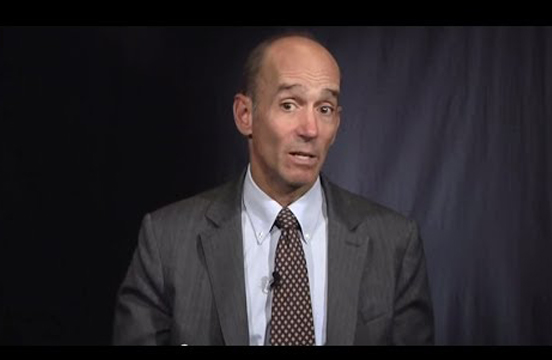
By Dr. Mercola www.mercola.com Orofacial myofunctional therapy is a profoundly useful treatment that may help treat the symptoms of a a wide variety of health issues, from opening airways to headaches, temporomandibular joint disorders (TMJ), to poor digestion, just to name a few. It may be the most profound therapy available for the treatment of mild to moderate sleep apnea, which is a pervasive problem that affects many. Myofunctional therapy is the “neuromuscular re-education or re-patterning of the oral and facial muscles1.” The therapy includes facial and tongue exercises and behavior modification techniques to promote proper tongue position, improved breathing, chewing, and swallowing. Proper head and neck postures are also addressed. There are good studies to substantiate that it may resolve jaw problems and orthodontic relapse working in a multi-disciplinary team. It may also be an alternative or adjunctive treatment to facial plastic surgery, to help get rid of lines and saggy facial muscles, which is exciting. In fact, in Brazil, some myofunctional therapists work with plastic surgeons. Joy Moeller, whom I had the good fortune of meeting as a result of an earlier interview with Carol Vander-Stoep (author of the book Mouth Matters), is a leading expert in this …