Post - Graduate Clinical Training
Returning the world to myofunctional sciences
Oral function impacts our whole body. The way our face grows, how our jaws meet, and even how well we sleep.
The Academy of Orofacial Myofunctional Therapy (AOMT) trains allied health clinicians to recognize oral dysfunction and delivers a pathway to rehabilitate the functions around chewing, breathing, and oral rest posture.
- 55+Years of Faculty
Experience - 69Countries
Reached - 50+University
Partners - 18Laws
Influenced - 10,000+Clinicians
Trained
The Foundation
The four pillars of myofunctional sciences
Restore and rehabilitate:

Breathing
Consistent nasal breathing as a physiological baseline.

Oral posture
The tongue comfortably rests in the palate.

Chewing
Optimize pressure and balance with food.

Swallow
The oral phase of swallow and pattern of tongue movement.
The Impact
The downstream effects of oral dysfunction
The way we breathe, position our tongue, and use our oral muscles can influence far more than our mouths. Explore how oral dysfunction relates to growth, breathing, sleep, and everyday function.
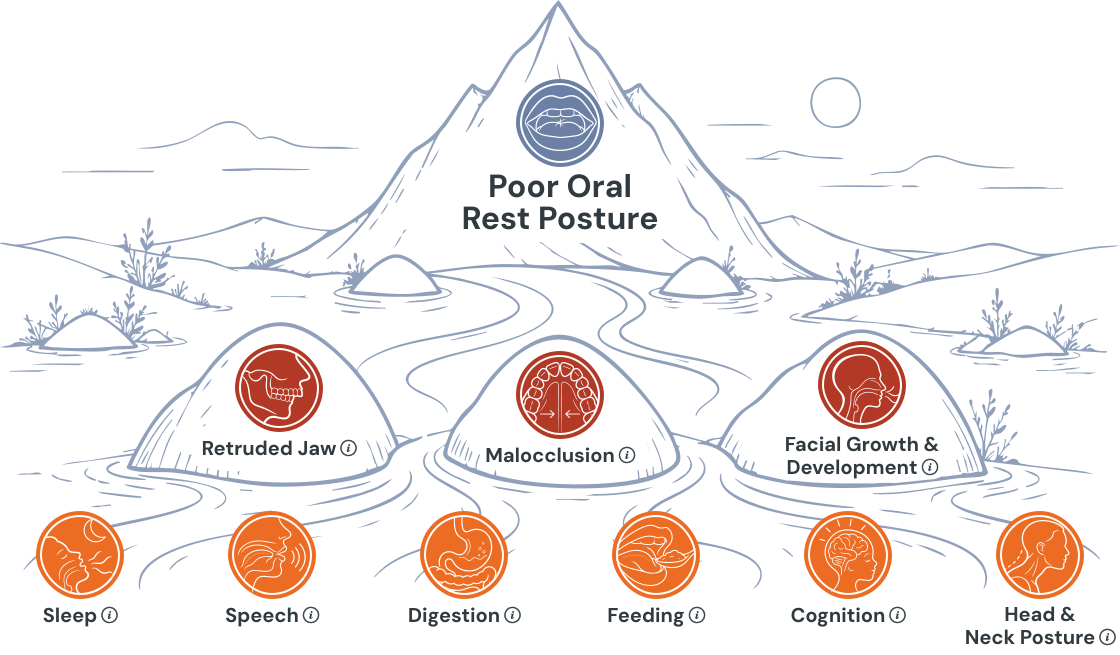
Primary effects
 Retruded Jaw
A lower jaw (mandible) that sits farther back can affect tongue position and the space available for breathing. Poor oral rest posture and altered muscle function can also influence jaw development during childhood, creating a relationship between facial structure, breathing, and oral function.
 Malocclusion
The tongue, lips, and cheeks help guide tooth position and dental arch development through gentle, continuous pressure. When the tongue rests low or the lips remain apart, these forces can become imbalanced, contributing to crowded teeth, narrow dental arches, and bite problems.
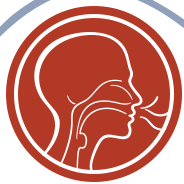 Facial Growth & Development
The way we breathe and position our tongue influences how the face and jaws develop, especially during childhood. Persistent mouth breathing and poor tongue posture can contribute to changes in palatal width, dental arch development, and facial growth patterns.
Downstream effects
 Sleep
Tongue position, jaw structure, and breathing patterns can influence airway stability during sleep. Oral dysfunction may coexist with sleep-disordered breathing, contributing to disrupted sleep, daytime fatigue, and difficulties with attention and behavior.
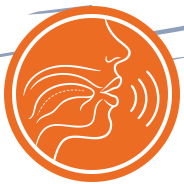 Speech
Clear speech requires coordinated movement of the tongue, lips, and jaw. Poor tongue posture and altered oral muscle function can contribute to certain speech sound distortions, including lisps and difficulty producing sounds such as /s/, /z/, and /r/.
 Digestion
 begins in the mouth, where chewing and saliva break down food and prepare it for swallowing. Poor tongue function and inefficient chewing can interfere with this first stage of digestion, affecting how effectively food is prepared for the digestive system.
 Feeding
Eating requires coordinated movements of the tongue, lips, jaw, and swallowing muscles. Oral dysfunction can make it difficult to chew effectively, manage different food textures, and move food safely through the mouth, contributing to feeding challenges and prolonged mealtimes.
 Cognition
Healthy breathing and restorative sleep support memory, attention, learning, and emotional regulation. When oral dysfunction is associated with airway restrictions or disrupted sleep, it can indirectly affect cognitive function, particularly in developing children.
 Head & Neck Posture
Breathing, tongue position, and jaw function are closely connected to head and neck posture. Individuals with airway restrictions or habitual mouth breathing may adopt a forward head position to help facilitate breathing, contributing to altered muscle activity and postural strain.
Accredited by

How to Learn
Foundational courses for everyone
Parents & Caretakers
Learn what Myofunctional Therapy is and how to spot red flags at every stage. You'll leave with the knowledge to make choices that are right for yourself and your family.
Join the WaitlistClinical overview
For clinicians and health professionals who want the science and clinical picture, without the full certification training. Learn how to recognize OMDs and refer to therapists.
Join the WaitlistIn-Depth Training
The complete clinical framework: anatomy, assessment, treatment, and the cross-disciplinary picture. Leads to the AOMT-C® Certification Pathway.
View Cohort & EnrollYour Professional Home
Learn in community
At the AOMT, mentorship and community aren't perks, they're the product.

The Myo Coffee Klatsch
Years of recorded sessions with leading voices across sleep, orthodontics, and airway.

Office Hours*
Bring your cases and get answers from faculty and peers who've walked the same path. *Only available for AOMT-C®.

Cohort & Referral Network
Learn alongside a cohort of worldwide, interdisciplinary clinicians.
Clinician Voices
What our students say
I have taken a few other myo courses and wasn't satisfied with what was taught. I think that AOMT was the best program out there after researching so many. AOMT doesn't feel like a 'sell' but rather a true community advancing myo in the medical field. I'm glad I decided to be a part of that mission.Jacquelyn GatesM.S., CCC-SLP, IBCLC
I have been an SLP for 25 years and this course has completely changed the way I look at speech and feeding delays. It has shown me what an impact I can have on not just language and feeding, but sleep as well! I am walking away with a renewed passion for treating children and adults and helping improve their overall quality of life.Tanya E. GerdM.S., CCC-SLP
I had previously taken another in-person course and did not leave feeling empowered to start seeing patients. Having completed AOMT, I not only feel empowered to start my own business, I have the confidence and scientific research to collaborate with other specialties. I feel like I have a new lease on my profession.Julie NilesRDH, PHRDH
I have taken several other courses and the Comprehensive Program, plus the Klatsch and all the wonderful additional support I found within the group, was the missing piece that allowed me to finally feel ready to launch and start seeing patients. I will forever be a faithful disciple and steadfast promoter of AOMT!Kathleen ReedRDH, M.Ed., AOMT-C®
I have been in dentistry for 26 years and have always felt there were pieces missing in treatment and diagnosis. I feel so confident now in what I have learned. I'm inspired to be a change agent for my dental community. I love that this organization puts such a large emphasis on community support.Michelle SiroisMSDH, QOM
The Comprehensive Program exceeded my expectations. My favorite part was the clinical application and practical protocols that I can immediately implement in practice. I appreciate the depth of knowledge and the emphasis on evidence-based practice. Thank you for an empowering learning experience.Panagiota KoroniaInternational Program Graduate

For Patients & Parents
Looking for help for your child, or for yourself?
You don't need to be a clinician to understand this work. Learn the basics of myofunctional therapy, or find an AOMT-C® Certified provider near you.
Enrollment Open
The next cohort begins
November 2026
Nine weeks. Hybrid live sessions plus self-paced on-demand learning, with every session recorded. Built for clinicians ready to stop swimming upstream alone.